Most small-business owners use "brand photography" and "commercial photography" interchangeably. Most photographers use them interchangeably too. In practice they sit at two ends of the same spectrum, and the distinction matters when you are deciding who to hire, what to pay, and what rights to negotiate.
The short version
| Aspect | Brand photography | Commercial photography |
|---|---|---|
| Primary client | The business itself | Agency, ad campaign, or brand team |
| Output | A cohesive image library | Specific campaign assets |
| Tone | Warm, documentary, everyday | Highly produced, campaign-specific |
| Deliverables | 40–150 finished images | 3–30 campaign-ready images |
| Usage rights | Perpetual, all-marketing-surfaces | Often negotiated by channel + term |
| Typical budget | $800–$4,500 | $3,000–$75,000+ |
| Typical crew | Photographer (+ assistant) | Director, stylist, agency, client team |
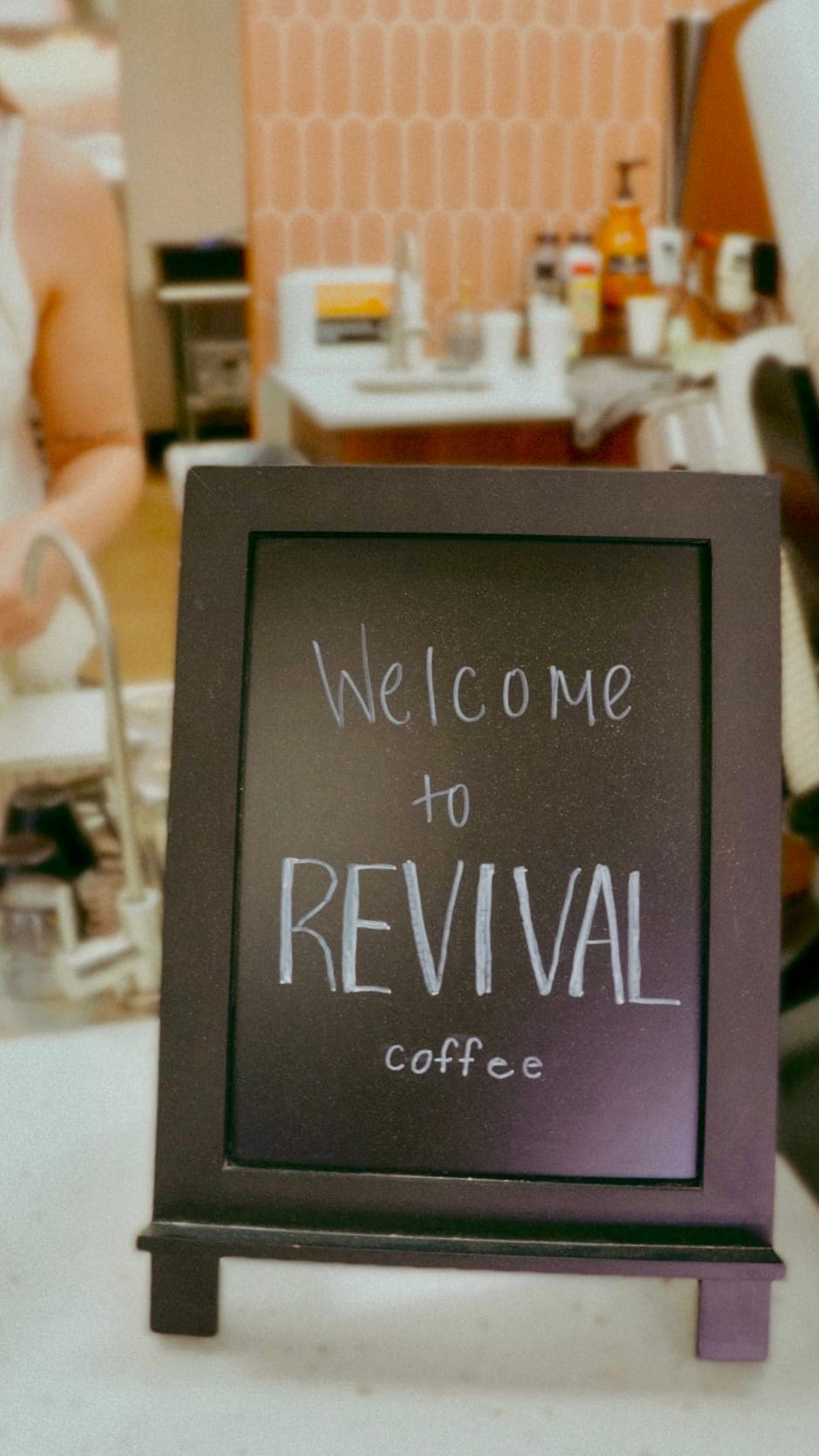
| Example | A cafe shoots its brand library | A cafe chain shoots its fall campaign |
Both categories produce commercial-usage photographs for businesses. The difference is the scale and the purpose of the shoot, not the quality of the work.
Brand photography: library-building
Brand photography is built for longevity. The output is a library of images that can power a year of marketing — website, social, menu, Google Business Profile, email, print. The shoot is often slower and quieter than a campaign shoot, because the goal is not "the perfect hero image" but "60 images that look like they belong together."
Typical brand-photography clients are small businesses: cafes, boutiques, wellness studios, solo professionals. The photographer is usually a small independent studio. The contract is usually perpetual commercial use for the business.
Commercial photography: campaign-building
Commercial photography in its traditional sense is campaign work. A brand team or agency briefs a specific campaign — a fall menu, a product launch, a rebrand — and hires a photographer (plus stylists, producers, retouchers) to execute a tight set of hero images for that campaign.
Typical commercial clients are larger brands, agencies, and consumer-products companies. Budgets start where most brand-photography budgets end. Usage rights are often negotiated carefully, because the same image might run in a $500,000 ad buy.
Where the terms overlap
Most independent brand photographers in the small-business space (including me) use "commercial photography" loosely to mean "any photography for a business, licensed for commercial use." That is the usage you will see on most photographer websites. It is not technically wrong — every brand photograph is a commercial photograph. It just compresses the traditional distinction into one category.
The practical result: if you search for "commercial photographer near me" as a small-business owner, you will mostly find brand photographers. And that is fine. The work they do is commercial photography for the scale you need.
When "commercial" specifically matters
A few scenarios where the distinction matters:
- You are running a national paid-media campaign. You probably need capital-C commercial photography with negotiated per-channel rights.
- Your industry is unusually regulated (pharma, financial services). Commercial photographers who work in those verticals know the compliance landscape.
- You are hiring for a specific, high-production hero image (cover of a report, opening shot of a TV spot). The "brand library" framing does not fit; you want a specialist.
- You are part of a chain or franchise. Multi-location campaigns are commercial work, not brand work.
When brand photography is actually what you want
For most small businesses, the answer is brand photography even if you are searching for "commercial photographer." Signs:
- You need a broad library, not one perfect image.
- You want the images to feel like your business, not like an ad.
- You are the person making the marketing decisions — there is no agency or brand team between you and the photographer.
- Your budget is under $5,000 per shoot.
- You want perpetual usage across every surface you own.
If that is you, hire a brand photographer who can tell your business's story with consistency. The images will work harder and live longer than a single-campaign commercial shoot.
Final call
The label is less important than the scope. When you write the first email, describe the actual project: how many images you need, where they will live, how long they need to work, and what usage you need. The right photographer will translate your scope into their vocabulary and quote accordingly.