Once you have narrowed the search to two or three photographers whose work you actually like, the remaining question is almost never "who is more talented?" It is "who is the right fit for this business?" That is a different question, and it has better answers.
Step 1: Match aesthetic to business, not aesthetic to trend
Every era has a dominant brand-photography look. Right now it is a mix of warm-documentary (natural light, muted tones, shot-in-the-moment) and bright-editorial (white-background product, clean lifestyle, high saturation). Both are good. Neither is right for every business.
The test: imagine the homepage of your business with hero images in each photographer's style. Which one still looks like your business in twelve months? If one photographer's style is so strong that your business would have to rebrand around it, that is the wrong fit even if the work is beautiful.
A photographer whose style quietly disappears into the brand is usually the right pick for a small business. A photographer whose style dominates every frame is better for an editorial or fashion brand where that signature is the point.
Step 2: Check the quiet parts of the portfolio
Everyone's portfolio shows their best 30 images. The real signal is in the average image — the ones that would be on your site, not just the hero.
Look for:
- The third image in a case study. The hero is always strong; what does the workhorse image look like?
- Consistency across an entire case study. Can they hold a visual language for 40 images, or does the last 20% feel different from the first 20%?
- The details. Product shots, hand shots, corner-of-a-room shots. A photographer who can make a throwaway detail shot feel considered is the one you want.
Step 3: Read how they write
Almost every small-business brand decision comes down to trust, and the first trust signal is how the photographer communicates. Read their website copy, their Instagram captions, their email replies. Are they precise? Warm? Honest about what they can and cannot do?
Writing that sounds like a marketing textbook is a warning sign. Writing that sounds like the person you had coffee with is a good sign.
Step 4: Vertical experience matters more than general brilliance
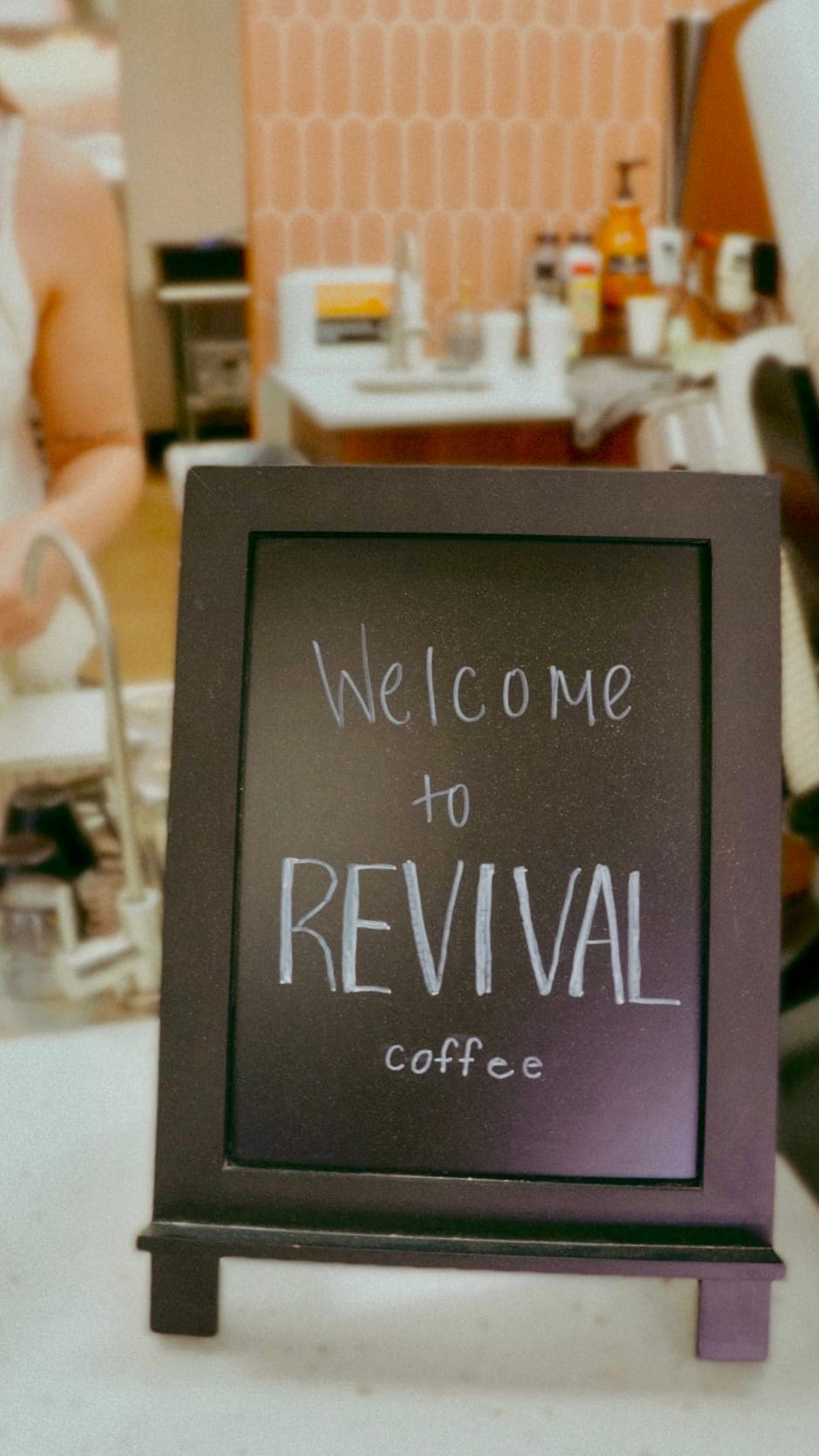
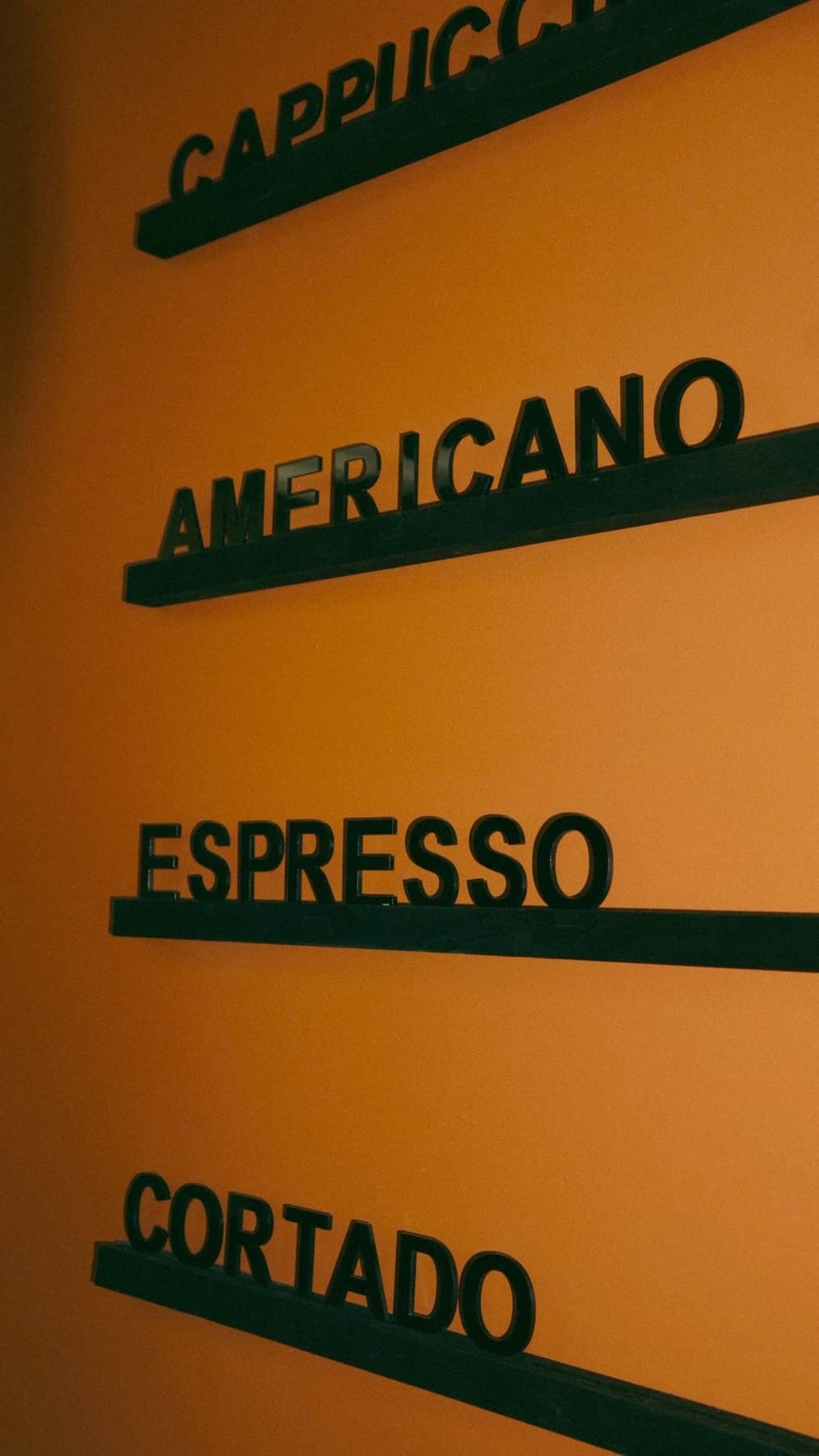
A photographer with five cafe case studies will shoot a cafe better than a photographer with one cafe case study and twenty weddings. Not because weddings are bad training — they are great training — but because the vertical-specific reps compound. They know where the light is at 10 AM in a south-facing coffee shop. They know how to make a pour look like a pour. They know which angle makes a menu board legible.
For specialized businesses — restaurants, boutique retail, wellness, hospitality — prioritize a photographer with direct reps over a generalist with bigger overall volume.
Step 5: The contract and the conversation should match
A photographer who talks warm and casual in the fit call and then sends a 12-page contract with aggressive cancellation fees is misrepresenting something. So is one who sends a half-page contract with no usage rights language. The contract should feel like a natural extension of the conversation.
Ask for a sample contract before booking. Red-flag: refusing to share one.
Step 6: Trust your first instinct on fit
By the end of the second fit call, you will know. Not in the portfolio — in the conversation. One of the photographers will feel like someone who genuinely wants to do good work for your specific business. The other will feel like someone booking a job.
Pick the first one.
The framework in one sentence
The right brand photographer is the one whose aesthetic disappears into your brand, whose case studies prove they have shot businesses like yours, and whose writing and conversation match the contract they send.
That is it. Everything else is a proxy for those three things.